"Daily Easy Guide - Simple Tips Earn Money from Home"
How to Save Money on Groceries in 2026 – 12 Tips That Actually Work
Struggling with rising food prices in 2026? Discover 12 proven, easy-to-follow tips to cut your grocery bill without giving up the foods you love. Start saving today!
3/22/20266 min read

Let me be honest with you — grocery shopping these days feels like a small battle every single week.
You walk into the store with a budget in mind, you try to be careful, and somehow… you still end up spending way more than you planned. Sound familiar? You are absolutely not alone.
In 2026, food prices are still climbing. Whether you are shopping in the UK or the USA, that weekly shop is hitting harder than ever. But here is the thing — you do not have to give up good food, tasty meals, or even the occasional treat just to keep your budget in check.
You just need a smarter system.
These 12 tips are not about extreme couponing or eating nothing but rice for a month. They are real, practical, everyday changes that genuinely work — and once you get into the habit, saving money at the grocery store starts to feel almost effortless.
1. Plan Your Meals Before You Even Think About Shopping
This is the single most powerful thing you can do. Before you head to the store — or even open a shopping app — sit down for ten minutes and think about what you actually want to eat this week.
Write it down. A simple Monday-to-Sunday meal plan changes everything. It stops you buying things you do not need. It stops you standing in front of the fridge on a Tuesday night with no idea what to cook and ending up ordering a takeaway. And it saves you a surprising amount of money without any real effort.
Start simple. Just plan three or four dinners. Work your way up from there.
2. Always Check What You Already Have First
Before you write your shopping list, open your fridge, your freezer, and your cupboards. Actually look inside them properly.
Most of us have more than we think. There is usually pasta hiding at the back, a tin of tomatoes that has been there for months, or a bag of frozen vegetables you completely forgot about. Using what you already have before buying more is one of the easiest ways to cut your grocery bill down immediately.
It takes five minutes. And it works every single time.
3. Write a Proper Shopping List — and Stick to It
A shopping list is not just helpful. It is essential.
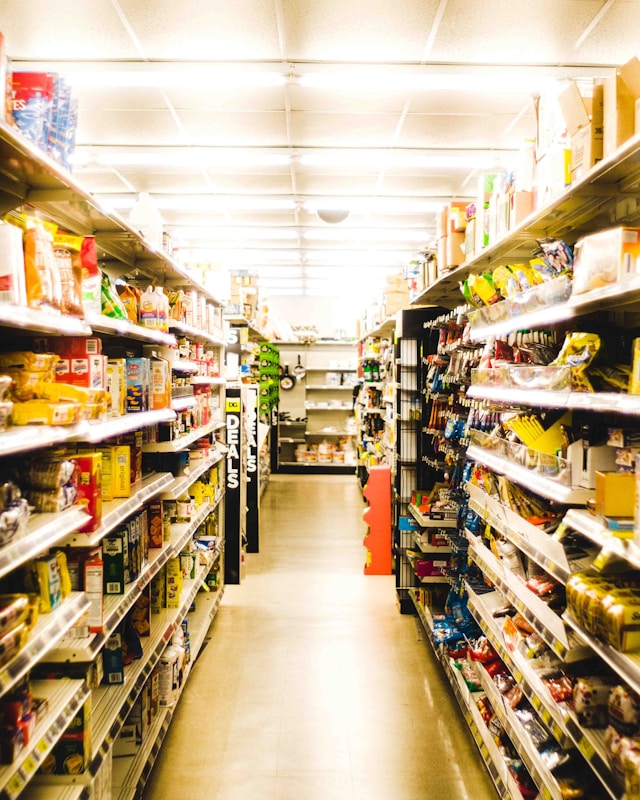
Going into a supermarket without a list is one of the most expensive things you can do. Stores are cleverly designed to make you pick up things you did not plan on buying. The bright displays, the end-of-aisle deals, the smell of fresh bread — it all adds up.
When you shop with a clear, organised list, you stay focused. You spend less time wandering the aisles. And you leave with exactly what you came for — and not much else.
4. Switch to Store Brands — You Will Barely Notice the Difference
This one surprises a lot of people. Many store-brand or supermarket own-label products are made in the exact same factories as the big-name brands — just with a different label on the front.
The taste is often identical. The quality is nearly always comparable. And the price? Sometimes 30 to 40 percent cheaper.
Start by switching just a handful of things — pasta, rice, tinned tomatoes, cereals, cooking oil. Once you realise how little difference it makes to your meals, you will never go back to paying premium prices for a logo.
5. Buy in Bulk — But Only for the Right Things
Buying in bulk makes perfect sense for items you use all the time and that will not go off quickly — things like rice, pasta, oats, canned goods, cleaning products, and toilet paper.
The cost per unit is almost always lower when you buy a bigger pack. Over the course of a year, those savings add up to a genuinely meaningful amount of money.
Just be careful not to bulk-buy fresh produce or things you will not realistically use before they go bad. That is how food — and money — gets wasted.
6. Use Price Comparison Apps Before You Shop
Technology is genuinely on your side here. There are apps and websites that let you compare prices across different supermarkets before you even leave the house.
In the UK, tools like Trolley.co.uk show you which store has the cheapest price on individual items. In the USA, apps like Flipp and Basket do a similar job. Spending ten minutes comparing prices before your weekly shop can easily save you ten, fifteen, or even twenty pounds or dollars in a single trip.
It sounds like a small thing. But small things add up
7. Join Loyalty Programmes — They Are Free and Worth It
Most major supermarkets offer free loyalty cards or apps that give you access to member-only prices, personalised discounts, and reward points.
In the UK, Tesco Clubcard and Nectar Card unlock prices that non-members simply do not get. In the USA, most large chains have similar programmes. If you shop at the same store regularly and you are not signed up, you are essentially leaving money on the table every single week.
Sign up. It takes a few minutes and costs nothing.
8. Embrace Seasonal Fruit and Vegetables
Seasonal produce is fresher, tastier, and almost always cheaper than out-of-season alternatives that have been shipped from the other side of the world.
In spring and summer, look for strawberries, courgettes, peas, and salad leaves. In autumn and winter, root vegetables, squash, and cabbage are all great value. Farmers markets are often even cheaper than supermarkets for seasonal produce, and the quality is usually better too.
Eating with the seasons is one of those habits that feels good in more ways than one.
9. Stop Wasting Food — It Is Costing You More Than You Think
Here is a number that might shock you. The average UK family throws away around £720 worth of food every single year. That is not a small amount. That is a holiday, or three months of energy bills, or a meaningful contribution to savings.
The fix? Get better at using up what you have. Make soups and stews from leftover vegetables. Freeze bread before it goes stale. Turn last night's roasted chicken into tomorrow's sandwich filling or a simple broth.
Every meal you make from leftovers is a meal you did not have to pay for twice.
10. Try "No Spend" Days Once or a Week
A no-spend day is exactly what it sounds like — one day a week where you challenge yourself to cook entirely from what you already have at home, without buying anything new.
It sounds restrictive, but most people find it surprisingly fun. It is a little bit like a puzzle — what can I actually make with these ingredients? The answer is usually more than you expect.
And the financial benefit? One no-spend day per week can save you a noticeable amount every month without any real sacrifice.
11. Use the 50/30/20 Rule for Your Grocery Cart
This is a smart, simple framework for grocery shopping that stops you feeling deprived while keeping your spending under control.
When you fill your cart, think of it in three parts. Roughly half should be the essentials — fresh produce, proteins, grains, and pantry staples. About thirty percent can be convenience items — things like snacks, pre-chopped vegetables, or a ready meal for a busy night. And the remaining twenty percent is your flex budget — treats, speciality items, or something you just fancy this week.
This approach means you never feel like you are completely cutting out the things you enjoy. You are just giving them a proper place in your budget instead of letting them take over.
12. Grow Something — Even Something Small
This one might feel like a big step, but it really does not have to be. You do not need a large garden or any particular skill.
A pot of fresh herbs on a windowsill — basil, mint, or chives — can save you pounds every single month if you cook regularly. A small container of tomatoes on a balcony or patio is easy to maintain and incredibly rewarding. Even a single herb plant costs less than £2 and will keep producing for months.
Growing even a tiny amount of your own food changes the way you think about what you eat. And it saves money in the most satisfying way possible.
Saving money on groceries in 2026 does not require you to be extreme about it. It does not mean sacrificing good food, skipping treats, or spending your evenings obsessively clipping coupons.
It just means building a few simple habits — planning your meals, checking what you have, shopping with a list, comparing prices, and wasting less. Do these things consistently and the savings will come, quietly and steadily, every single week.
Start with just one or two tips from this list. Try them this week. Then add another. Before long, you will have a grocery routine that genuinely works for your life — and your budget.