"Daily Easy Guide - Simple Tips Earn Money from Home"
Sleep Better Tonight — 7 Proven Tips That Actually Work (2026 Guide)
Struggling to sleep? These 7 science-backed tips will help you fall asleep faster, sleep deeper, and wake up refreshed — no expensive gadgets needed. Start tonight!
3/27/20265 min read
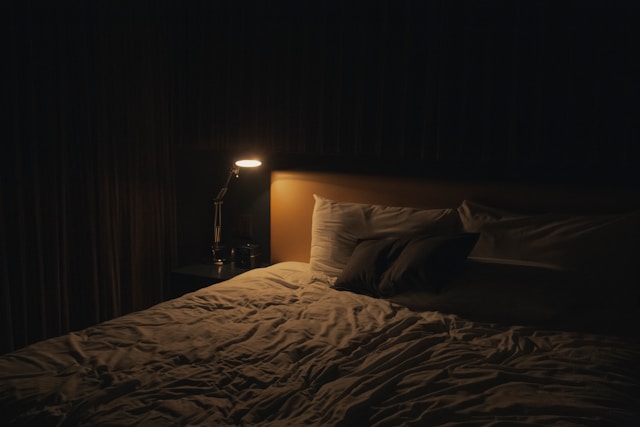
Are you lying in bed, staring at the ceiling, counting sheep that just won't come? You're not alone. Millions of people in the UK and USA are fighting the same battle every single night — tossing, turning, and waking up exhausted.
Here's the truth nobody tells you: it's not always about how many hours you sleep. It's about how well you sleep. Sleep science has evolved rapidly over the last decade — and in 2026, one thing is clearer than ever: sleep quality matters more than sleep quantity alone. Reuters Institute
The good news? You don't need expensive gadgets or magic pills. These 7 simple, proven tips can completely transform your nights — starting tonight.
1. 🌅 Wake Up at the Same Time Every Single Day
This is the one tip most people skip — and it's probably the most powerful of all.
Locking in a consistent wake-up time anchors your circadian rhythm by training your body to rise at the same time daily, even on weekends. This regulates your internal clock more effectively than even a fixed bedtime. Neal Schaffer
Think of your body like a smartphone. It needs to sync to the right time zone. When you wake up at random hours — 6am on Monday, 10am on Saturday — you're constantly confusing your internal clock. The result? You feel groggy, unfocused, and tired no matter how long you slept.
What to do: Pick a wake-up time and stick to it — yes, even on weekends. Within a week, you'll notice it becomes easier to fall asleep at night and easier to wake up in the morning.
2. ☀️ Get Morning Sunlight Within 30 Minutes of Waking Up
This one sounds too simple to be true — but the science is rock solid.
Getting bright light during the day helps keep your circadian rhythm healthy and, in turn, improves your daytime energy and nighttime sleep quality. Ahrefs
When morning sunlight hits your eyes, your brain gets a powerful signal: "It's daytime. Be alert." This same signal then tells your brain to release melatonin — the sleep hormone — later that evening when darkness falls.
Pairing your consistent wake-up time with 20–30 minutes of morning sunlight exposure boosts alertness and helps your body produce melatonin at the right time later in the evening. Neal Schaffer
What to do: Step outside within 30 minutes of waking up. Even on cloudy days, outdoor light is far more powerful than indoor lighting. A short walk, a cup of tea on the porch, or even sitting by an open window makes a real difference.
3. 📵 Put Your Phone Away 1 Hour Before Bed
We all know this tip — yet almost nobody follows it. Here's why you really, truly should.
Nighttime light exposure has the opposite effect of morning light: it reduces melatonin levels, the hormone that helps you relax and drift into deep sleep. Ahrefs
The blue light coming from your phone screen is basically tricking your brain into thinking it's still daytime. Your body holds off on producing melatonin, and you lie there wide awake even though you're physically exhausted.
But it's not just the light — it's the content. Scrolling social media keeps your brain in a hyper-alert, comparing, reacting state. That's the opposite of what you need before sleep.
What to do: Set a phone curfew — one hour before bed, screens go down. Replace that time with reading a physical book, light stretching, journaling, or listening to calm music. Your brain will thank you by morning.
4. 🌡️ Keep Your Bedroom Cool
Here's something surprising: the temperature of your room might be ruining your sleep — even if you feel perfectly comfortable.
Your body needs to cool down slightly to initiate and maintain deep sleep. Research increasingly shows that even small temperature increases during the night can fragment sleep without fully waking you — quietly reducing the time you spend in deep, restorative sleep stages. Reuters Institute
Sleep experts recommend keeping your bedroom temperature comfortably cool — between 60 and 75°F — with good ventilation to support sound sleep. Leading Authorities
What to do: Turn the thermostat down a notch before bed. Use breathable cotton bedding. If you tend to overheat at night, try a fan or a lighter duvet. Small changes to your bedroom temperature can lead to noticeably deeper sleep.
5. ☕ Cut Off Caffeine After 2pm
That afternoon coffee might feel harmless — but it could be the reason you're still wide awake at midnight.
Caffeine is a stimulant found in coffee, tea, chocolate, cola, and even some pain relievers. Sleep experts recommend avoiding it for four to six hours before bedtime — because even when you don't feel wired, caffeine is still blocking the sleep signals in your brain. Leading Authorities
Most people don't realize that caffeine has a half-life of about 5–6 hours. That means a 3pm coffee still has half its caffeine running through your system at 9pm. No wonder falling asleep feels like a struggle.
What to do: Make 2pm your caffeine cut-off time. After that, switch to herbal teas like chamomile or peppermint. Your evening self will be grateful.
6. 🧘 Build a 30-Minute Wind-Down Routine
Your brain isn't a light switch. You can't just go from full speed — emails, arguments, Netflix, social media — straight to deep sleep. It needs a transition.
Dedicating 30–60 minutes before bed to relaxing activities like reading, journaling, or gentle stretching signals to your body that it's time to unwind. Techniques like deep breathing or meditation can reset your nervous system and help combat stress-induced insomnia. Neal Schaffer
Think of this as your "sleep ramp." The more consistently you do it, the more your brain begins to associate these activities with sleep — and the faster you'll drift off.
What to do: Choose 2–3 calming activities and do them every night in the same order. It could be: a warm shower, 10 minutes of journaling, and 15 minutes of reading. Consistency is the key — your brain loves routine.
7. 🍽️ Stop Eating at Least 2–3 Hours Before Bed
That late-night snack might be costing you more than calories — it might be robbing you of your best sleep.
Finishing dinner a few hours before bedtime supports melatonin release and nighttime body temperature drop — both of which are critical for deep, restorative sleep. Heavy or late meals can disrupt both sleep onset and overall sleep quality. Reuters Institute
When you eat close to bedtime, your digestive system is working overtime just as your body is trying to wind down. This can cause discomfort, reflux, and lighter, more fragmented sleep.
If you do get hungry at night, stick to light options — something small that won't cause indigestion and won't keep your digestive system working all night. Leading Authorities
What to do: Aim to finish your last meal 2–3 hours before your bedtime. If you're genuinely hungry late at night, a small banana or a few crackers with peanut butter are good, sleep-friendly choices.
The Bottom Line
Better sleep isn't about perfection — it's about small, consistent changes that add up over time. You don't need to follow all 7 tips at once. Start with just one or two tonight.
This year's World Sleep Day theme says it perfectly: "Sleep Well, Live Better." Because when you sleep better, everything else gets better too — your mood, your focus, your health, and your energy. Webnode
Pick one tip from this list. Try it tonight. Then add another next week. Before you know it, you'll wonder how you ever survived on such poor sleep.
Sweet dreams. 🌙