"Daily Easy Guide - Simple Tips Earn Money from Home"
The Hidden Mental Damage of Social Media We Rarely Talk About
Social media connects billions of people every day, but it may also be quietly damaging our mental health. Discover the hidden psychological effects of social media that most people never talk about.
3/8/20263 min read
A World That Never Stops Scrolling
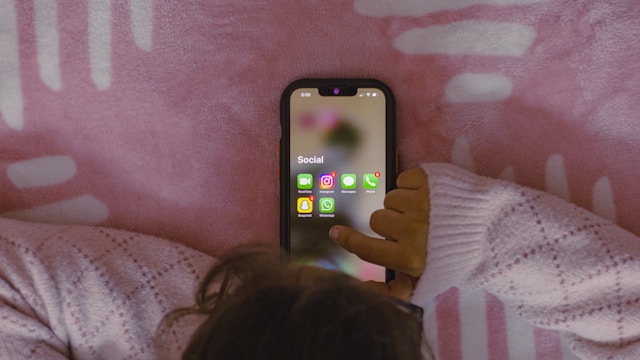
For millions of people, the day begins and ends with a phone screen.
Before even getting out of bed, many people open Instagram, TikTok, or Facebook to check notifications. A few minutes of scrolling quickly turns into half an hour.
What feels like a simple habit has quietly become a daily routine for billions of people around the world.
Social media has transformed how we communicate, share ideas, and stay connected. It allows us to see what friends are doing, follow celebrities, and explore content from every corner of the world.
But beneath the entertainment and endless scrolling lies a side of social media that most people rarely talk about.
A side that slowly affects our thoughts, emotions, and mental well-being.
The Illusion of Being Connected
Social media was designed to connect people.
Ironically, many people feel more disconnected than ever before.
A person can have hundreds or even thousands of followers online, yet still feel emotionally alone.
A “like” or a short comment can never replace the depth of real human interaction — a meaningful conversation, shared laughter, or spending time together in person.
When online interaction replaces real connection, something important begins to disappear.
Human closeness.
Over time, this creates a strange modern reality:
We are constantly connected digitally, but emotionally disconnected.
The Comparison Trap
One of the most powerful psychological effects of social media is constant comparison.
Every time someone opens their social media feed, they are exposed to carefully selected moments of other people's lives.
Beautiful vacations.
Perfect relationships.
Luxury lifestyles.
Career success stories.
But what we see online is rarely the full picture.
Most people share their highlights, not their struggles.
When the brain repeatedly compares real life with these filtered highlights, it can quietly damage self-confidence.
People begin asking themselves questions like:
Why does everyone else seem happier?
Why is my life not as exciting?
Why am I not as successful?
These thoughts slowly create insecurity, dissatisfaction, and emotional stress.
The Endless Scroll Addiction
Social media platforms are carefully designed to keep users engaged for as long as possible.
Every notification, message, or new post triggers curiosity.
The brain releases dopamine — a chemical linked to pleasure and reward.
This small burst of satisfaction encourages people to keep checking their phones again and again.
What begins as entertainment slowly turns into a habit.
And sometimes, even an addiction.
Many people open social media for just a few minutes and suddenly realize they have been scrolling for an hour.
This endless cycle can quietly drain time, focus, and mental energy.
The Rise of Silent Anxiety
Another hidden effect of social media is the increase in anxiety.
Many users feel pressure to stay active online.
They feel the need to respond quickly, post regularly, and keep up with everything happening around them.
Notifications never stop.
Messages keep appearing.
New content keeps demanding attention.
This constant digital stimulation can overwhelm the mind and create a sense of mental exhaustion.
Over time, people may begin to feel restless, distracted, or emotionally drained without fully understanding why.
The Pressure to Appear Perfect
Social media has created an environment where people often feel the need to present a perfect version of their lives.
Photos are edited.
Moments are filtered.
Stories are carefully chosen.
Instead of simply living life, many people begin performing their lives for an audience.
They worry about how many likes a post receives.
They wonder what others will think.
And sometimes, their self-worth begins to depend on online validation.
This silent pressure can create emotional stress that many people never talk about.
When Social Media Affects Mental Health
The mental damage caused by social media rarely happens overnight.
It builds slowly over time.
Many people start noticing small changes in how they feel:
• difficulty focusing
• feeling mentally exhausted
• trouble sleeping
• constant comparison with others
• feeling unhappy after long scrolling sessions
These signals are often ignored because social media has become such a normal part of everyday life.
But they are important signs that the mind may need a break.
Finding Balance in a Digital World
Social media itself is not the problem.
It can inspire creativity, spread knowledge, and connect people across the world.
The real challenge is learning how to use it in a healthy way.
Creating simple boundaries can make a big difference:
Limit screen time during the day.
Avoid using your phone before sleep.
Follow accounts that inspire rather than stress you.
Spend more time in real conversations with friends and family.
Even small changes can restore mental balance and emotional clarity.
Final Reflection
Social media is one of the most powerful inventions of the modern world.
It connects billions of people in seconds.
But behind the endless scrolling, something important is happening quietly.
Our minds are constantly processing information, comparisons, and digital stimulation.
And sometimes, the greatest damage is the one we cannot immediately see.
The real danger of social media is not the screen in our hands — it is the silent way it reshapes how we think, feel, and value ourselves.